We build wireless systems that sense and connect the physical world.
Radars that read motion and material. Radios that reach satellites and soil. Acoustics that work underwater and on the body.
Directed by Prof. Akshay Gadre in the Department of Electrical & Computer Engineering at the University of Washington, Seattle.
We are recruiting PhD studentsReal wave physics in a floor plan. Drag the router; hover to read signal strength and estimated throughput. Compare overlays the bands: 2.4 GHz goes farthest, 6 GHz goes fastest.
How this works
The band above is a numerical solve of the two-dimensional wave equation (utt = c²∇²u), stepped about 120 times a second on a lattice a few pixels per cell. Walls are modeled as a slower, lossy medium, so waves genuinely reflect off them, lose energy passing through them, and diffract through the doorways. There is no ray tracing and no shortcut; every ripple you see comes out of the solver.
The dots don't show the raw oscillation but a decaying peak-hold envelope of it: a live map of signal strength, mapped onto a dBm scale. The bands differ the way real WiFi bands do. Higher frequencies pay more path loss with distance and more loss per wall, and wider channels are noisier: 2.4 GHz listens on 20 MHz, 5 GHz on 80 MHz, and 6 GHz on 160 MHz, each step roughly doubling bandwidth while raising the noise floor.
Throughput is a Shannon estimate: channel width × log₂(1 + SNR), with a 5 dB implementation margin and caps around what good consumer gear achieves. It's a two-dimensional toy calibrated to feel right, not a planning tool. But the tradeoff it shows is the real one: 5 GHz is faster where you can hear it, and 2.4 GHz is hearable in more places.
The lab in three thrusts. Each is a deep dive with its own live, playable demo.
The Internet of
Radar Things
Commodity mmWave radars, networked into one coherent imaging instrument. Phantoms, glints, and how coordination beats both.
The Internet of
Underwater Things
Radio drowns; sound carries. One hydrophone that hears direction, and acoustics for the unconnected ocean.
The Internet of
Bodies
Gloves that feel, gaze that prompts, wearables that know your pose. Interfaces that read the body's own language.
Watch the research
The page is black and white on purpose. The color is the work.
MulDar: one radar out of many radios
MobiSys 2026TwinFocus: handheld mmWave SAR that focuses itself
MobiSys 2026UltraPoser: full-body pose from everyday wearables
UIST 2025RayTrack: seeing your wireless environment in XR
T-Mobile T-Challenge 2024Research, across the spectrum
Every thrust in the lab lives at a frequency. Read left to right, from kilohertz to light.
20 kHz
Acoustics in hard places
Sound where radio struggles: single-hydrophone direction finding underwater with acoustic metastructures, ultrasound sensing on consumer wearables, and vibrometry that hears what devices are doing.
915 MHz
Low power, long range
LPWAN physical layers, satellite IoT, and agricultural sensing: squeezing range, reliability, and location out of power-starved devices in the field and in orbit.
RayTrack, Pearl, LoRa CubeSat ground stations
5 GHz
Radios people live with
Digital twins of the everyday wireless environment: making WiFi and cellular propagation visible, explainable, and fixable, in augmented reality.
77 GHz
Radar that sees
Turning commodity mmWave radios into one coherent imaging instrument: distributed radar, handheld SAR, and polarimetric material sensing.
193 THz
Sensing and linking with light
Laser inter-satellite links for when latency really matters, and visible-light polarimetry that reads soil moisture straight from the surface.
Laser ISL feasibility, soil-moisture polarimetry
Publications
The lab's complete record. Members and alumni in bold.
2026
TwinFocus: Autofocus for Handheld mmWave SAR Imaging via Physical and Digital Twin References
MulDar: Unleashing the Potential of Distributed COTS mmWave Radar by Exploiting Cross-Device Channels
AMULET: Acoustic Metastructure for Direction-of-Arrival Estimation Underwater using a Single Hydrophone
POLySight: Towards Practical Bi-Static Polarimetric Imaging using Commodity mmWave Radars for Material Sensing
WiReSens Toolkit: An Open-Source Platform Towards Accessible Wireless Tactile Sensing
GazeSummary: Exploring Gaze as an Implicit Prompt for Personalization in Text-based LLM Tasks
Acoustic Signature Management Engine in an Object Integrity Sensing System
Towards Practical mmWave Sensing: A Distributed and Coherent Radar Approach
Towards Mobile High-Resolution mmWave SAR Imaging via Prior-Guided Autofocus
Poster: TwinFocus: Autofocus for Handheld mmWave SAR Imaging via Physical and Digital Twin References
Poster: Towards Practical Bi-Static Polarimetric Imaging using Commodity mmWave Radars for Material Sensing
Demo: AMULET: Acoustic Metastructure for Direction-of-Arrival Estimation Underwater using a Single Hydrophone
Demo: Unleashing the Potential of Distributed COTS mmWave Radar by Exploiting Cross-Device Channels
Demo: WiReSens Toolkit: An Open-Source Platform Towards Accessible Wireless Tactile Sensing
Poster: Unknown Word Detection for ESL Learners Using Gaze and Pre-trained Language Models
2025
UltraPoser: Pushing the Limits of IMU-based Full-Body Pose Estimation with Ultrasound Sensing on Consumer Wearables
Demo: ToMoBrush: Exploring Dental Health Sensing using a Sonic Toothbrush
Pearl: A More Reliable LoRaWAN
Surface Soil Moisture Sensing using Visible Light Polarimetry
2024
On the Feasibility of Laser Inter-satellite Links for Low-latency High Frequency Trading
ToMoBrush: Exploring Dental Health Sensing using a Sonic Toothbrush
Adapting LoRa Ground Stations for Low-latency Imaging and Inference from LoRa-enabled CubeSats
Demo: Synthetic Data for Data-Driven Wireless
Demo: “My WiFi is not working!” Augmenting Wireless Awareness in Consumers via XR
2022
MiLTOn: Sensing Product Integrity without Opening the Box using Non-Invasive Acoustic Vibrometry
Poster: Exploring Time-series Telemetry from CubeSats
Rethinking Low-power Wide-area Networks on Earth and Space
2020
Full Duplex Radios: Are We There Yet?
Joltik: Enabling Energy-Efficient “Future-Proof” Analytics on Low-Power Wide-Area Networks
Millimeter-Wave Full Duplex Radios
Quick (and Dirty) Aggregate Queries on Low-Power WANs
Frequency Configuration for Low-Power Wide-Area Networks in a Heartbeat
Low-Power Wide-Area Networks: Connect, Sense and Secure
Poster: Designing a PHY-layer for Machine Learning on Low-Power Sensors
Designing an ML-Friendly Wireless Physical Layer for Low-Power IoT
2019
Poster: Wireless Network Functions in the Era of Low-Power IoT
Towards Enabling City-Scale Internet of Things: Challenges and Opportunities
Joint Decoding of Packets in Wireless Networks using Chirp Spread-Spectrum Modulation
2018
A Deep Learning Approach to IoT Authentication
Charm: Exploiting Geographical Diversity in Low-Power WANs
Centralized Approaches for Virtual Network Function Placement in SDN-enabled Networks
Poster: Maintaining UAV Stability using Low-Power WANs
2017
A Customizable Agile Approach to Network Function Placement
Centralized Approaches for Static and Dynamic Network Function Placement in SDN-enabled Networks
People
Grayscale until you meet them. Hover to say hello.
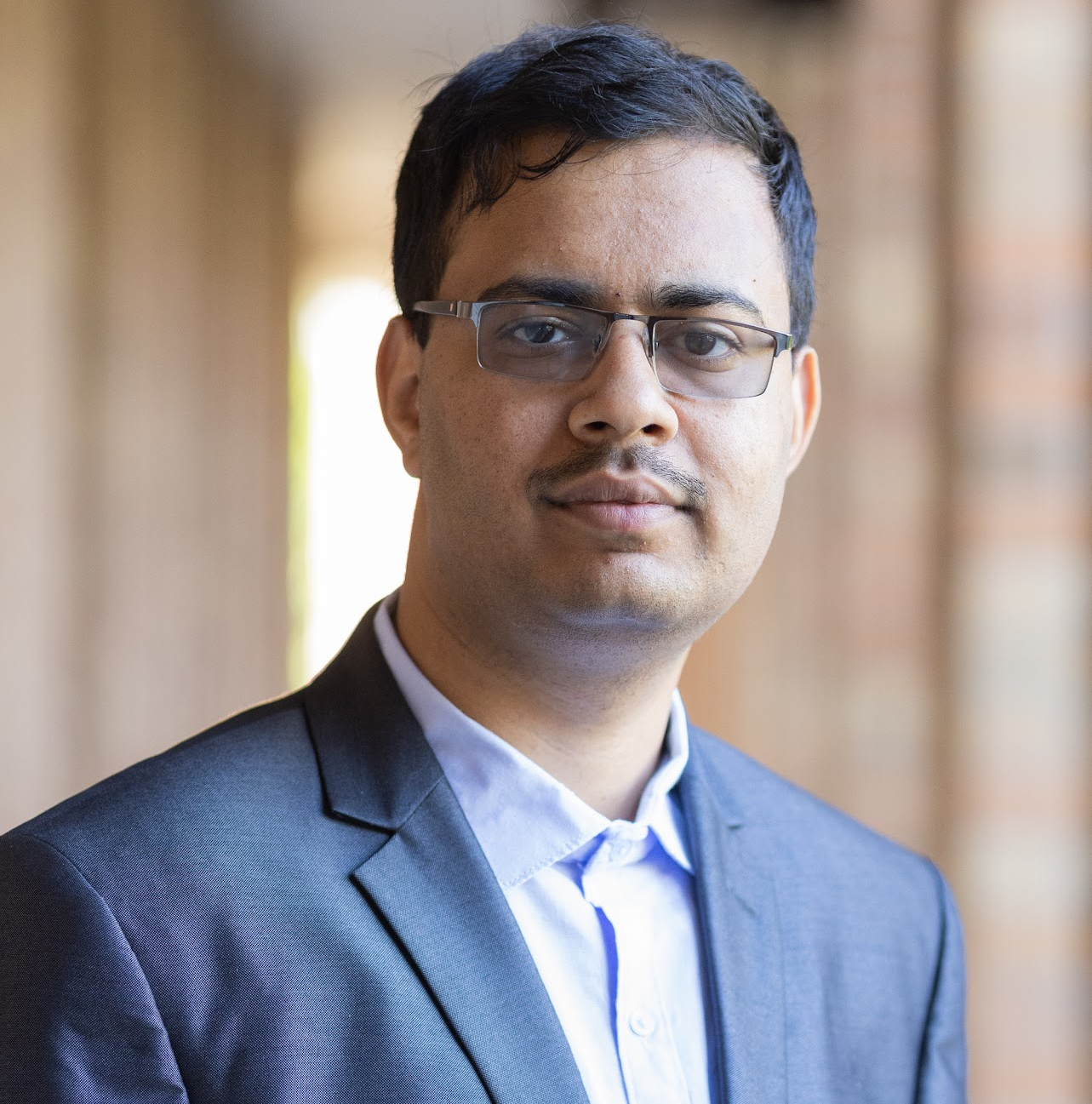
Akshay Gadre
Lab Director. Assistant Professor, UW ECE
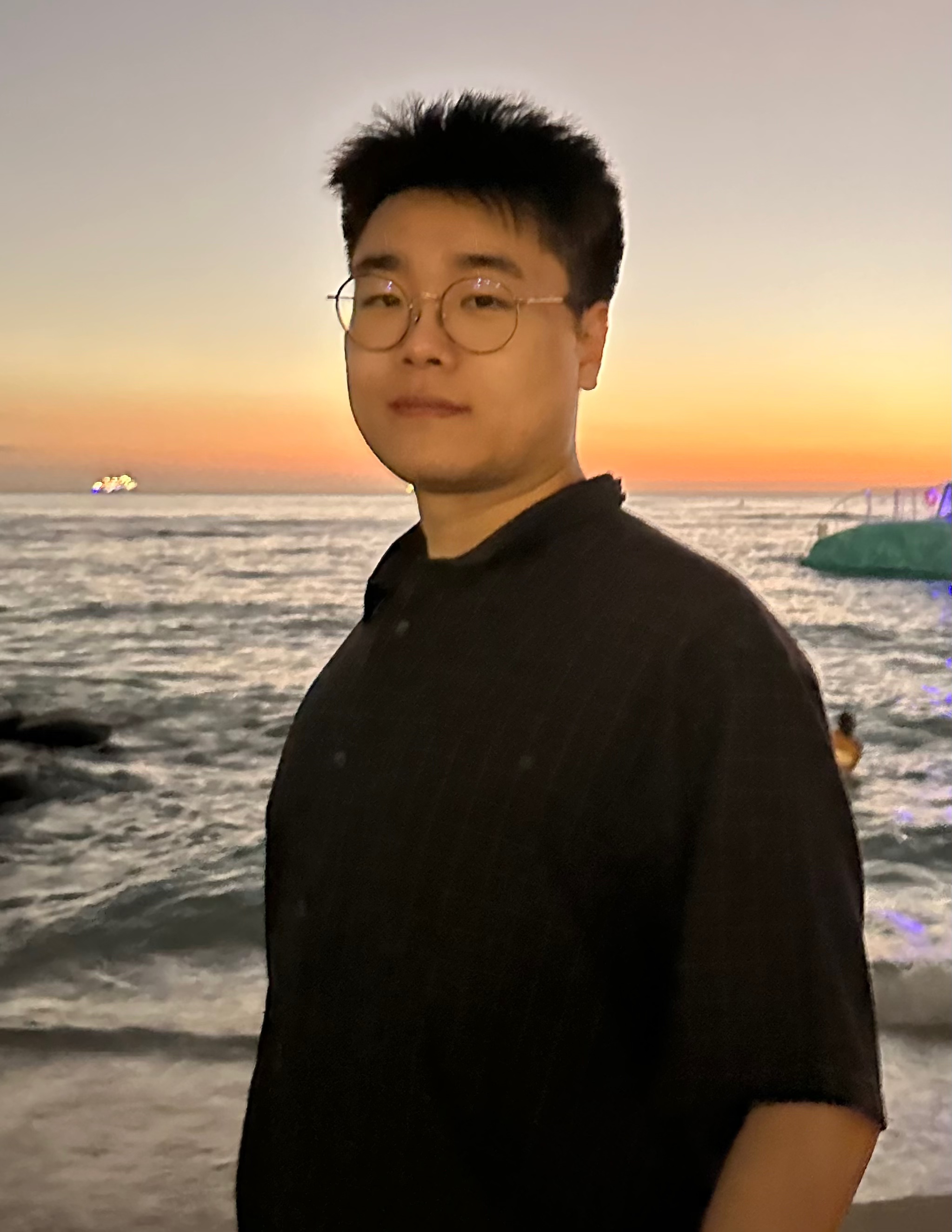
Xinghua Sun
PhD candidate. Distributed & coherent mmWave radar. MobiSys Rising Star 2026
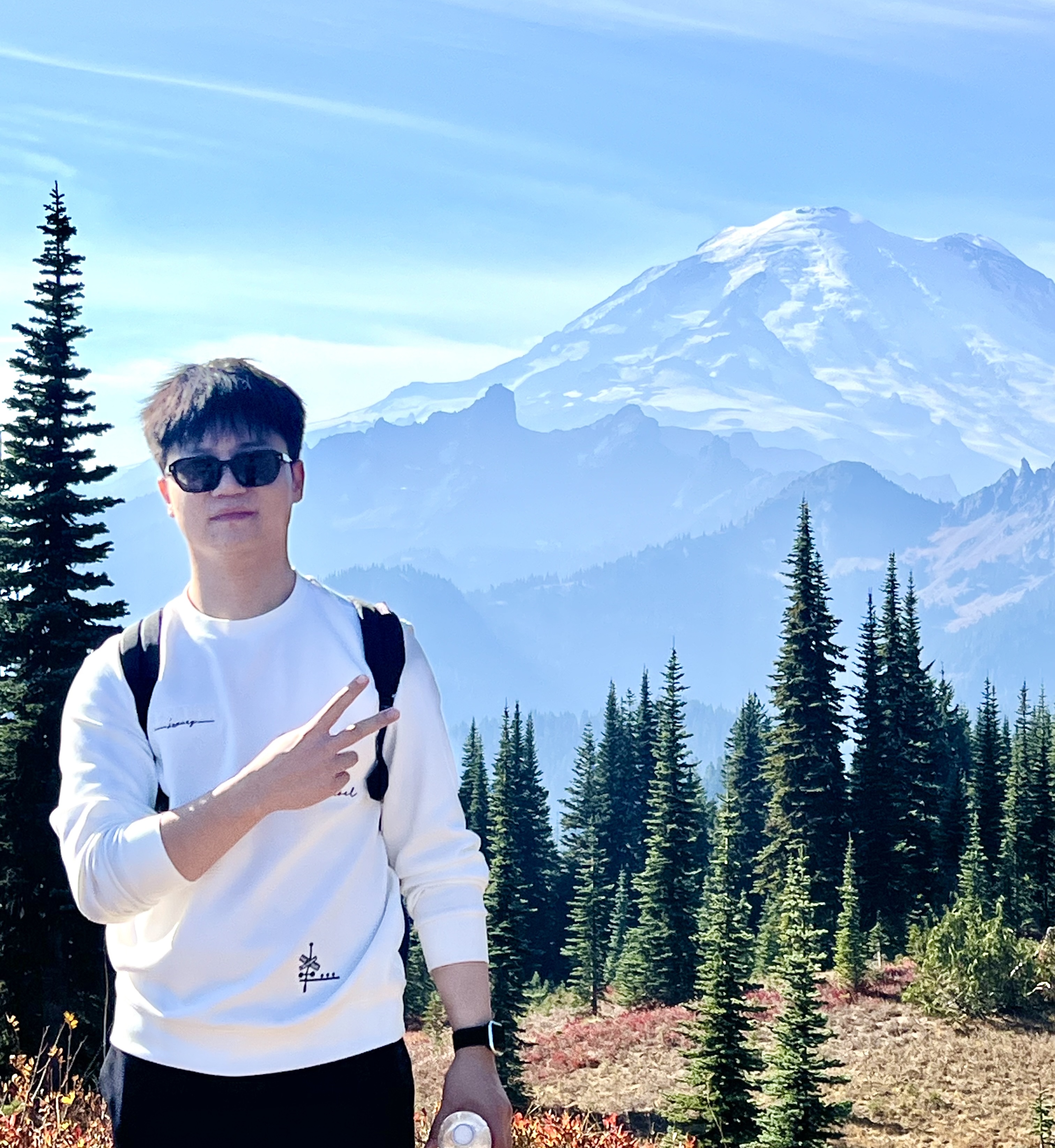
Yadong Li
PhD student. mmWave & non-line-of-sight imaging, wearable sensing. MobiSys Rising Star 2026
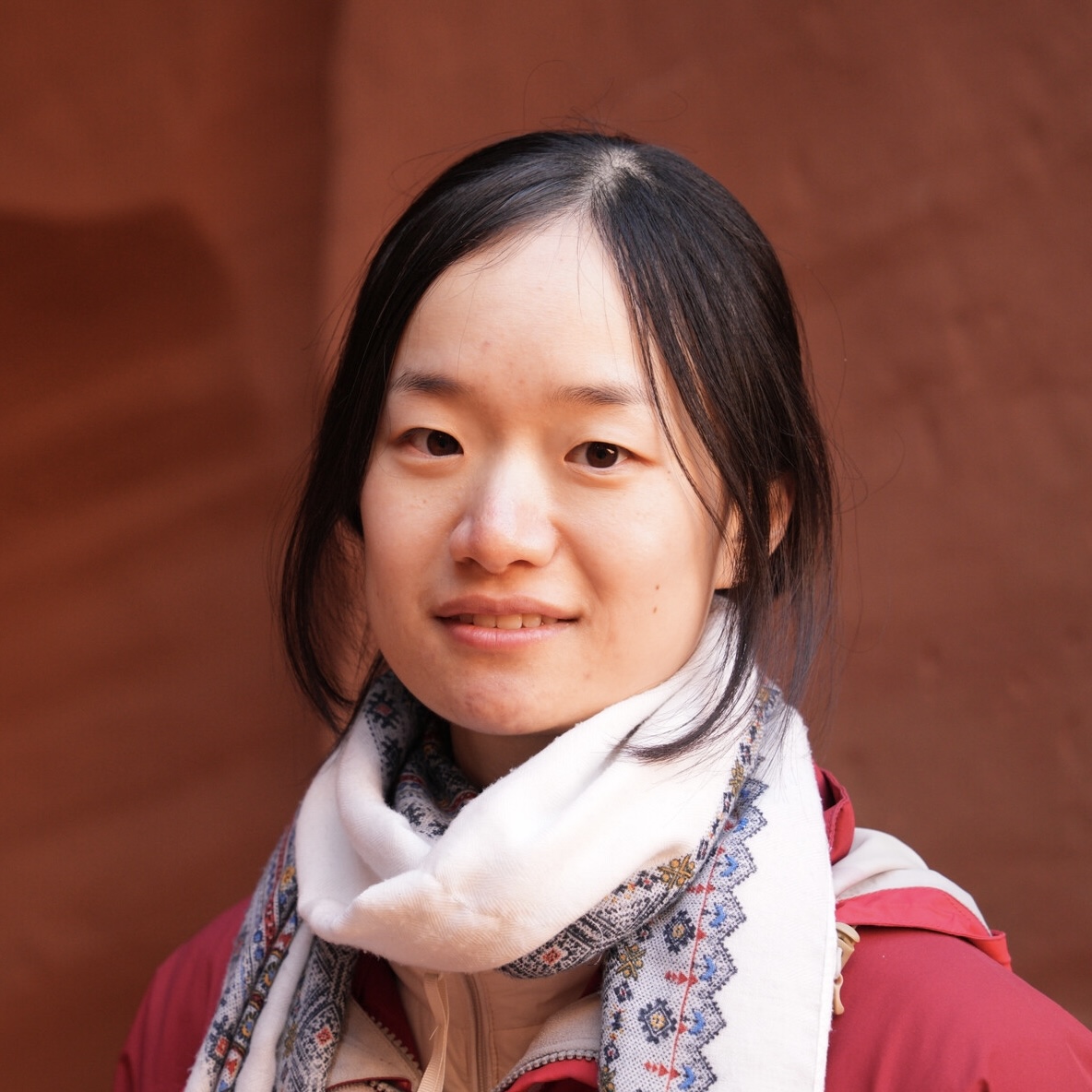
Jiexin Ding
PhD student. Multimodal sensing, gaze & applied AI. Co-advised with Shwetak Patel

Qiancheng Li
PhD student. Radio digital twins, LoRa localization & radar systems

Andrew Bergey
PhD student. Underwater acoustics & acoustic metastructures
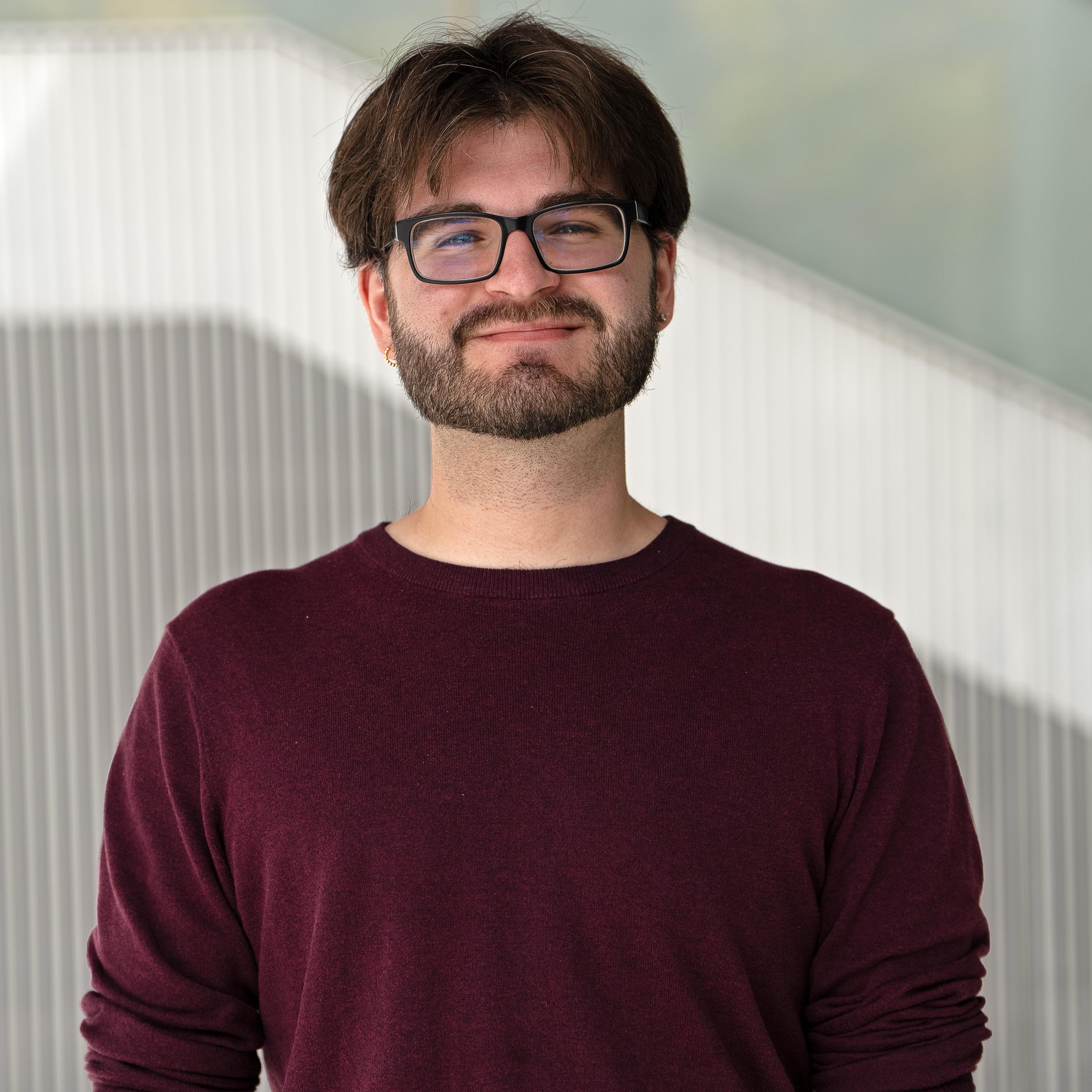
Devin Murphy
PhD student. Wireless tactile sensing & fabrication. Co-advised with Yiyue Luo
Alumni. Karen Aguilar (M.S. 2025, surface soil-moisture sensing using visible-light polarimetry), Matthew Pana (M.S. 2025, Pearl: a more reliable LoRaWAN), Vaibhav Singh (M.S. 2023, laser inter-satellite links for satellite constellations).
News
- RayTrack is accepted to ACM Transactions on Sensor Networks: accurate outdoor LoRa localization with a single off-the-shelf base station. Congratulations, Qiancheng!
- The MiLTOn acoustic product-integrity sensing patent is granted: US Patent 12,650,409.
- MulDar and TwinFocus are presented at ACM MobiSys 2026 in Cambridge, UK, where Akshay also gives an invited talk on the Internet of Radar Things at IoT Day.
- AMULET wins the Best Demo Award at ACM SenSys 2026, and Andrew wins the Best Presentation Award at the ACM/IEEE CPS-IoT Week PhD Forum. Congratulations, Andrew! Akshay also receives the SenSys Outstanding TPC Member Award.
- Xinghua presents POLySight and demos MulDar at SenSys in Saint-Malo, and presents at the CPS-IoT Week PhD Forum.
- The lab wins the Best Demo Award at the AFRL SDR University Challenge for a low-cost SDR platform for satellite networking.
- Xinghua and Yadong are both selected as ACM MobiSys Rising Stars 2026.
- WiReSens Toolkit receives the Best Demo Honorable Mention, Jury's Choice, at ACM TEI 2026. Congratulations, Devin!
- GazeSummary and a poster on gaze-based unknown-word detection for ESL learners appear at ACM HotMobile 2026. Congratulations, Jiexin!
- POLySight is accepted to ACM/IEEE SenSys 2026.
- UltraPoser is accepted to ACM UIST 2025.
- ToMoBrush wins the Best Demo Award at ACM MobiSys 2025. Karen and Matthew complete their M.S. theses on visible-light soil-moisture sensing and reliable LoRaWAN.
- Xinghua wins the Best Demo Award (sponsored by Apple) at the UW ECE Research Showcase.
- The lab presents the RayTrack XR demo and an S3 workshop paper at ACM MobiCom 2024 in Washington, D.C.
- RayTrack wins the Most Engaging Presentation Award at the T-Mobile T-Challenge 2024, presented at T-Mobile headquarters in Bonn. Qiancheng graduates with a B.S. in ECE and joins the lab as a PhD student.
Funding & awards
The support behind the work, and the recognition it has earned.
NEWT Lab's research is made possible by federal, industry, and university sponsors. If you are interested in supporting or collaborating with the lab, write to gadre@uw.edu.
Grants
General Motors
SkyHaul: A Comparative Measurement Study of LEO Broadband and Direct-to-Cell Satellite Backhaul for Connected-Vehicle Applications
2026–2027. PI: Akshay Gadre
JCATI
mmWave Polarimetric Imaging and Interferometry for Detecting Defects in Aerospace Parts
2026–2027. PI: Akshay Gadre. Joint Center for Aerospace Technology Innovation
NSF IUCRC
SoilCam: Enhancing Soil Nutrient Sensors via NIR-Vis Polarimetry and RF Sensor Fusion
2023–2024. PI: Akshay Gadre
Awards
- Best Demo Award, ACM SenSys 2026, for AMULET.
- Outstanding TPC Member Award, ACM SenSys 2026.
- Best Demo Award, AFRL SDR University Challenge, for a low-cost SDR platform for satellite networking.
- Best Demo Honorable Mention, Jury's Choice, ACM TEI 2026, for the WiReSens Toolkit.
- ACM MobiSys Rising Star, awarded to Xinghua Sun and Yadong Li.
- Best Presentation Award, ACM/IEEE CPS-IoT Week PhD Forum, awarded to Andrew Bergey.
- Best Demo Award, ACM MobiSys 2025, for ToMoBrush.
- Best Demo Award (sponsored by Apple), UW ECE Research Showcase, awarded to Xinghua Sun.
- Most Engaging Presentation Award, T-Mobile T-Challenge: AI for Telecommunications, for RayTrack. The lab was also a top-12 finalist.
- ACM SIGBED-SIGSOFT Frank Anger Memorial Award, awarded to Akshay Gadre.
- CyLab Presidential Fellowship, Carnegie Mellon University, awarded to Akshay Gadre.
- Best Paper Award, ACM/IEEE IPSN 2020, for QuAiL. Best Presentation Award, ACM/IEEE IPSN PhD Forum 2020.
- Best Paper Award, ACM/IEEE IPSN 2018, for Charm. Best Poster Runner-up, ACM MobiCom 2018.
Join the lab
NEWT Lab is looking for hardworking and persevering PhD students who want their systems to work outside the lab: on a satellite pass, in a field, underwater, or in a moving hand.
We build real hardware and deploy it in the real world, and we publish at the top mobile-systems venues (MobiSys, SenSys, MobiCom, UIST). If you care about radios, radar, acoustics, or the systems and ML that make them useful, there is a frequency band here for you.
Prospective PhD students: apply to the UW ECE graduate program and mention NEWT Lab, then send a short email: who you are, what you have built, and which band of the spectrum above you want to live in. Current UW undergraduate and master's students interested in research are welcome to reach out any time.
Contact
gadre@uw.eduProf. Akshay Gadre
EE 430, Campus Box 352500
Department of Electrical & Computer Engineering
University of Washington
Seattle, WA 98195